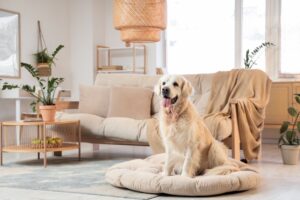
 Buying a home is exciting, and if you have pets, it’s not just your dream space you’re hunting for—it’s theirs too. While most pet-friendly home checklists focus on the size of the yard, there’s much more to consider when evaluating a property with furry family members in mind. From flooring to fencing to neighborhood hazards, inspecting beyond the backyard can help ensure your new home is both safe and enriching for your pets.
Below are the top features every pet owner should evaluate before signing on the dotted line.
1. Pet-Safe Flooring and Interior Surfaces
Flooring can significantly impact your pet’s comfort and your long-term maintenance costs.
What to Inspect:
- Scratch resistance: Look for durable surfaces like tile, luxury vinyl plank, or engineered hardwood.
- Traction: Slippery floors can cause injuries—especially for senior pets.
- Stain resistance: Carpets may trap odors and pet accidents if not high-quality or stain-treated.
A simple test? Press your fingernail into a sample plank or observe how easily a surface shows scuff marks.
2. Indoor Layout and Traffic Flow
Pets need areas to play, rest, roam, and hide.
Key Considerations:
- Open layouts for pets who love to run or stay near their owners.
- Quiet retreat spaces like nooks or spare rooms for anxious animals.
- Convenient entryways with space for leashes, crates, or pet-washing setups.
Think about how your pet moves around your current home and whether the new space supports those habits.
3. Doors, Windows, and Escape Points
Pets are surprisingly resourceful, and that can lead to safety concerns.
Check For:
- Secure window screens that can’t be pushed out.
- Sturdy door frames and properly latching patio doors.
- Gaps or openings where small pets might squeeze through.
If you plan to install a pet door, evaluate the best location and whether the door style will accommodate it.
4. Noise Levels and Surrounding Activity
Some pets are sensitive to noise or overstimulation.
Inspect the Environment:
- Nearby traffic: Busy roads can be dangerous for escape-prone animals.
- Neighboring dogs: Excessive barking may trigger or stress your pet.
- Construction or commercial areas: Noise can affect anxious pets or disrupt daily routines.
Visit the property during different times of day to get a realistic feel.
5. Home Systems That Impact Pets
Your home’s mechanical systems can influence your pet’s health and safety.
Review:
- HVAC quality: Proper filtration is important for pets that shed or have dander.
- Temperature control: Some breeds require specific temperature ranges.
- Vent placement: Avoid open vents animals can access or block.
Also consider checking for any signs of previous pet damage—it may indicate system strain or odor absorption.
6. Storage and Safety Zones
Just like toddlers, pets can get into anything.
Inspect For:
- Built-in cabinets for storing pet food and cleaning supplies
- Laundry rooms or mudrooms that can double as pet containment areas
- Space for litter boxes that offers ventilation and privacy
- Secure trash and pantry areas
Think about all the items your pet tries to get into—and whether this home helps prevent that.
7. Neighborhood Walkability
Yes, beyond the property itself, the broader environment matters.
Evaluate:
- Sidewalk quality and lighting: Important for safe daily walks.
- Nearby parks or trails: Bonus points for pet-friendly spaces.
- HOA rules: Some neighborhoods restrict breeds, fence types, or the number of pets.
Ask questions early to avoid unpleasant surprises after move-in.
8. Existing Pet Damage or Odors
A home that previously housed pets may come with hidden issues.
Inspect Signs Like:
- Scratched doors
- Urine-stained floors
- Torn carpet
- Pest issues
Even minor damage can indicate underlying problems like absorbed odors or structural wear.
Final Thoughts
Finding a pet-friendly home goes far beyond checking for a backyard. By inspecting layout, flooring, safety features, walkability, and overall pet suitability, you’ll make a smarter and more comfortable choice for every member of your household—human and furry alike.
Compliments of Virtual Results


 Catch Our Feed
 Subscribe via Email
 Follow Our Tweets
 Friend Us On Facebook
 Watch Us On Youtube