Posts for Syndication

10 Essential Questions to Ask When Buying a Home

By

10 Essential Questions to Ask When Buying a Home

Buying a home is a significant milestone in anyone’s life. However, it’s important to approach this process with caution and thoroughness. To help you make an informed decision, we’ve compiled a list of 10 essential questions you should ask when buying a home. Happy house hunting!

What is my budget?

Determining your budget is crucial. Consider your income, existing debts, and future financial goals to establish a realistic price range for your new home. Factor in not only the down payment but also the ongoing costs of homeownership. This includes property taxes, insurance, maintenance, and utilities.

What are my long-term goals?

Think about your long-term plans. Are you planning to stay in the home for a few years or settle down for the long haul? This will impact the type and size of the property you should consider. Consider your career goals, family plans, and lifestyle preferences to ensure that the home aligns with your future aspirations.

What are the neighborhood amenities?

Research the neighborhood to assess amenities like schools, parks, shopping centers, and public transportation. These factors can significantly impact your daily life and property value. Look for proximity to essential services, recreational opportunities, and convenient commuting options that align with your lifestyle.

What is the local crime rate?

Safety is paramount. Look into the local crime rate to ensure you’re comfortable with the security of the area you’re considering. Consult local law enforcement or check online resources that provide crime statistics for the neighborhood. Consider your personal comfort level and the safety of your family and possessions.

How old is the property?

Consider the age of the home and any potential maintenance and home or apartment renovation costs that may arise. Older homes may require more upkeep and updates. Ask about the age of major components, such as the roof, HVAC system, plumbing, decorative tile floors, and electrical wiring. Make sure to turn off furnace for safety purposes. Check out the backyard as well. See if the lawn has been maintained and if there are unhealthy trees that need to be removed with the help of a residential tree removal company. This information will help you anticipate future expenses and make an informed decision.

Are there any past or current issues?

Inquire about any past or present problems the property may have had, such as water damage, foundation issues, or pest infestations. Has the sidewalk been repaired or does it need a concrete sidewalk raising service? This information is crucial for making an informed decision. Request a detailed history of repairs, renovations, and any relevant documentation to ensure transparency and identify potential red flags.

What is the condition of the plumbing, roof, and electrical systems?

These systems are vital for the functionality of your home. Ensure they are in good condition or factor in any necessary repairs or replacements in your budget. Hire a professional inspector to thoroughly evaluate these systems and provide you with a comprehensive report. Consider the potential costs of repairs or upgrades in your decision-making process.

What are the monthly expenses?

Ask about monthly expenses such as property taxes, homeowners association fees, utility bills, and insurance costs. Consider these expenses alongside your budget to avoid any surprises. Consult with real estate agents, insurance providers, and utility companies to get accurate estimates of these expenses.

What is the resale value?

While it’s difficult to predict the future, understanding the potential resale value of your home can provide you with peace of mind and financial security. Research the local real estate market and consult with experts to gain insights into the historical and projected property values in the area. Factors such as location, school district, and neighborhood desirability can impact resale value.

Have I inspected the home thoroughly?

Finally, never skip home inspections. Hire a professional to examine the property from top to bottom and address any concerns or issues before making a final decision. The inspection will provide you with a detailed assessment of the home’s condition. This will allow you to negotiate repairs or walk away if necessary.


Summer Home Selling Checklist

By

Summer Home Selling Checklist

Welcome, homeowners! As summer approaches, it’s the perfect time to prepare your home for sale. That’s why we’ve created this comprehensive summer home selling checklist. By following this checklist, you’ll maximize your home’s appeal and attract potential buyers. With careful preparation and attention to detail, your home will be summer-ready for a successful sale. Let’s dive in!

Enhance your curb appeal

Boost your home’s curb appeal by cleaning the exterior, repairing any visible damage, getting a new Concrete Driveway Installation, and adding inviting touches. This could also include a freshly painted front door, tuckpointing your brick walls, or putting up new house numbers. Landscaping should be well-maintained, with trimmed bushes and a neatly manicured lawn.

Create an inviting interior

Make your home’s interior warm and welcoming by decluttering and organizing each room. Deep clean carpets, floors, and windows to make them shine. Remove personal items and photographs to help potential buyers envision themselves living in the space.

Embrace the summer vibe

Decorate your home with summery accents like bright throw pillows, fresh flowers, or beach-inspired artwork. Lighten up spaces by opening curtains and blinds, allowing natural light to flood in. Consider a fresh coat of paint in neutral, light tones.

Address necessary repairs

Thoroughly inspect your home for any repairs needed, including leaky faucets, cracked tiles, or malfunctioning appliances. Fixing these issues beforehand will prevent them from becoming deal-breakers during the negotiation process.

Service your HVAC system

With summer heat in mind, ensure your air conditioning system is in peak condition. Contact an ac repair technician to schedule a professional maintenance visit to clean filters, check refrigerant levels, and make any necessary repairs. Buyers will appreciate a home that offers relief from the heat.

Optimize outdoor spaces

Take advantage of summer’s appeal by highlighting your outdoor areas. Clean and declutter patios, decks, and pool areas. Arrange outdoor furniture to create inviting conversation areas and showcase the potential for entertaining and relaxation.

Energy efficiency matters

Upgrade your home’s energy efficiency by replacing outdated appliances with energy-saving models. Consider installing LED lighting, programmable thermostats, or solar panels. Check us out, we have these eco-friendly features can be selling points for potential buyers.

Pay attention to the details

Small details can make a big difference. Update outdated light fixtures, replace worn-out switch plates and doorknobs, and ensure all doors and windows open and close smoothly. These small touches give your home a modern and well-maintained appearance.

Stage for success

Stage your home to create an emotional connection with potential buyers. Rearrange furniture to optimize space and flow. Use neutral colors and tasteful décor to highlight the home’s features. Set the table with fresh linens to create a welcoming atmosphere.

Prepare for showings

Keep your home show-ready by tidying up before every showing. Remove personal items, secure valuables, and ensure each room is clean and presentable.

Market strategically

Partner with a real estate agent to develop a comprehensive marketing strategy. Utilize professional photography to capture your home’s best angles, and create captivating descriptions for online listings. Leverage social media and real estate websites to reach a wide audience.

Stay flexible

Lastly, be prepared for last-minute showings or schedule changes. Flexibility is key in accommodating potential buyers and increasing your chances of a successful sale.

Compliments of Virtual Results

10 Tips for Buying a Home in a Competitive Summer Market

By

10 Tips for Buying a Home in a Competitive Summer Market

Welcome to the exciting world of homebuying! Summer is a popular time to dive into the real estate market, but it can also be fiercely competitive. But fear not! We’ve compiled 10 helpful tips to guide you through the process and increase your chances of finding your dream home. Let’s get started!

Get your finances in order

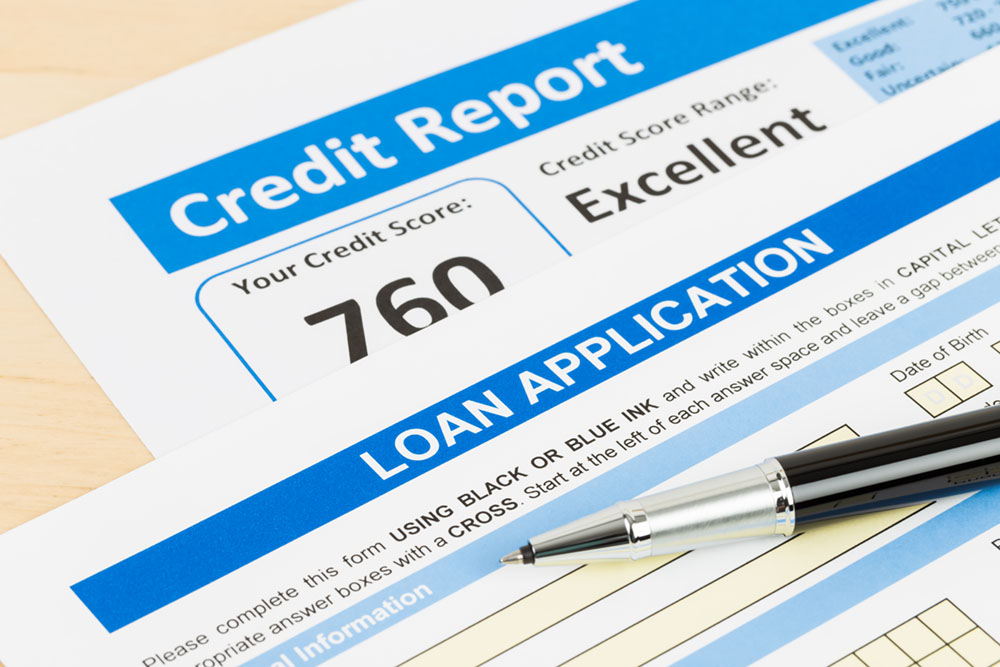
Before starting your home search, take a close look at your finances. Evaluate your credit score, gather necessary financial documents, and get pre-approved for a mortgage. If know your budget upfront, then you can focus on properties in your price range.

Act fast

In a competitive market, time really is of the essence. New listings can attract multiple offers within hours or days. Stay vigilant and be prepared to act quickly when you find a home that meets your criteria. Consult with your real estate agent to set up alerts and be the first to know about new listings.

Be flexible with your criteria

While it’s essential to have a wish list for your ideal home, be open to compromise. In a competitive market, you may need to adjust your expectations slightly. Consider alternative neighborhoods or be willing to make cosmetic updates to a property to broaden your options. If the home was not properly cleaned or decluttered, do not be discouraged because a commercial cleaning service can make it sparkly clean.

Attend open houses and showings

Make attending open houses and showings a priority. This hands-on approach allows you to see properties firsthand, ask questions, and get a feel for the neighborhood. Take notes, photograph rooms, and discuss your observations with your real estate agent. Take a look at the condition of the property’s siding installation, plumbing and hvac system. If there’s an issue with the ac unit, you may report this to the seller so a residential air conditioning repair is done. This will help you make informed decisions later on.

Research the neighborhood

In a competitive market, understanding the neighborhood is crucial. Research local amenities, schools, transportation options, and future development plans. Consider factors such as commute times, proximity to essential services, and the overall vibe of the community. This helps to ensure it aligns with your lifestyle.

Write a strong offer

Crafting a compelling offer is essential when competition is fierce. Consult with your real estate agent to determine the best approach. Consider offering a higher earnest money deposit to show your commitment. Or include a personal letter to the sellers expressing your love for their home. These thoughtful touches can make your offer stand out among others.

Be prepared for bidding wars

In a hot market, bidding wars are common. Set a maximum budget for yourself and stick to it. It’s easy to get caught up in the heat of the moment and let emotions dictate your decisions. By establishing your financial limits ahead of time, you can avoid overpaying and protect your long-term financial well-being.

Consider a backup plan

Even with the best preparation, you may not win every bidding war. Have a backup plan in case your offer falls through. Identify alternative properties or adjust your search criteria slightly to expand your options. Stay in close contact with your real estate agent, who can help you navigate any setbacks.

Stay positive and patient

Buying a home in a competitive market can be challenging, but remember to stay positive and patient. The right home will come along, and with the right mindset, you’ll find your perfect match. Trust in the process, rely on the expertise of your real estate team and stay committed to finding the home of your dreams.

Work with a knowledgeable real estate agent

Finally, partner with a skilled real estate agent who knows the local market inside out. They can provide valuable insights, help you navigate the competitive landscape, and identify hidden gems. A knowledgeable agent will be aware of off-market listings and upcoming properties, giving you an edge in finding your dream home.

Compliments of Virtual Results

Keeping Your Home Comfortable for Summer Showings

By

Keeping Your Home Comfortable for Summer ShowingsWelcome to the sunny season of summer! With the warm weather upon us, many potential buyers will be touring homes to find their dream abode. To ensure your home shines during summer showings, it’s crucial to keep it comfortable and inviting. Here are some tips to help you create a welcoming atmosphere for potential buyers.

Embrace natural light

Open up curtains and blinds to let in the natural sunlight. Bright spaces appear more spacious and appealing.

Control the temperature

Maintain a cool and comfortable indoor temperature. Adjust the thermostat a few degrees lower to combat the summer heat. Also, be sure to have your air conditioning unit inspected and serviced by an air conditioning repair technician to avoid ac breakdowns throughout the summer.

Keep it fresh

Eliminate any lingering odors by airing out your home. Use natural air fresheners or scented candles to create a pleasant ambiance.

Create a breezy atmosphere

Set up strategically placed fans to create a gentle breeze throughout your home. This will help potential buyers feel more comfortable and relaxed.

Spruce up your outdoor spaces

Make your outdoor areas as inviting as possible. Clean patio furniture, arrange colorful cushions and add potted plants to create a charming outdoor oasis.

Add greenery indoors

Incorporate some indoor plants to add a touch of nature and freshness to your home. They also help improve air quality.

Declutter and organize

Keep your home clutter-free to create a sense of spaciousness. Organize countertops, closets, and storage spaces to show off your home’s potential.

Optimize air circulation

During showings, open windows strategically to create a cross breeze. This allows fresh air to circulate, giving your home a pleasant and airy feel.

Create a relaxing ambiance

Play soft background music or use a white noise machine to create a calm and relaxing environment for potential buyers.

Consider outdoor activities

If your home has a backyard or outdoor space, then consider setting up activities like a small picnic or a game area. This helps potential buyers envision the fun they can have in the summer.

Showcase cooling amenities

Highlight any cooling amenities your home offers, such as central air conditioning, ceiling fans, or even a swimming pool. Let buyers know how they can beat the summer heat in your home.

Provide refreshments

Leave a pitcher of cold lemonade or a tray of chilled water bottles for visitors to enjoy. This small gesture can make a big impression.

Mind the sun

If your home gets a lot of direct sunlight, then use wood blinds to control the amount of light entering the space. This will help maintain a comfortable temperature indoors.

Stage outdoor dining

Set up a table with colorful tableware and outdoor dining accessories to showcase the potential for al fresco dining in the warmer months.

Highlight shade and shelter

If you have a shaded area in your yard, then showcase it as a retreat from the sun. Highlight any covered patios, horsham playground canopies, gazebos, or pergolas to demonstrate the versatility of your outdoor spaces.

By following these tips, you can ensure your home remains comfortable and inviting for potential buyers during summer showings. Remember, creating a pleasant atmosphere goes a long way in helping buyers envision themselves living in your home. Good luck with your showings and happy selling!

Upgrade Your Home’s Energy Efficiency This Summer

By

Upgrade Your Home’s Energy Efficiency This Summer

Summer is here and now is the perfect time to start thinking about ways to upgrade your home’s energy efficiency. With the hot temperatures looming, you’ll want to make sure your home is running as efficiently as possible. This will save you money on your energy bills and reduce your carbon footprint. Let’s explore some easy and affordable ways to make your home more energy-efficient this summer.

Tackle minor lighting repairs

Timely lighting repairs ensure that all fixtures and bulbs function at their optimal capacity. This means replacing old, energy-consuming bulbs with energy-efficient alternatives and addressing any electrical issues that might hinder performance. Regular maintenance checks, including assessing the efficiency of lighting systems, can highlight areas of improvement. Moreover, with advancements in technology, homeowners now have access to smart lighting solutions. These systems can be programmed to operate only when needed, dim to desired levels, and even adapt to natural daylight conditions, further enhancing energy efficiency. Look into lighting repair in Lorain, OH to get all the assistance needed.

Upgrade to LED light bulbs

One of the easiest ways to make your home more energy-efficient is by replacing your residential exterior lights or indoor lighting systems with LED bulbs. LED bulbs use up to 75% less energy and last up to 25 times longer than traditional bulbs. This saves you money on your energy bills and reduces waste. Plus, LED bulbs emit less heat, which can help keep your home cooler in the summer months.

Install a programmable thermostat

Another easy and affordable way to increase your home’s energy efficiency is by installing a programmable thermostat. A programmable thermostat allows you to set different temperatures for different times of the day. This means you can adjust your home’s temperature based on your schedule. That helps you save money on your energy bills by only cooling your home when you’re there to enjoy it.

Use ceiling fans to keep cool

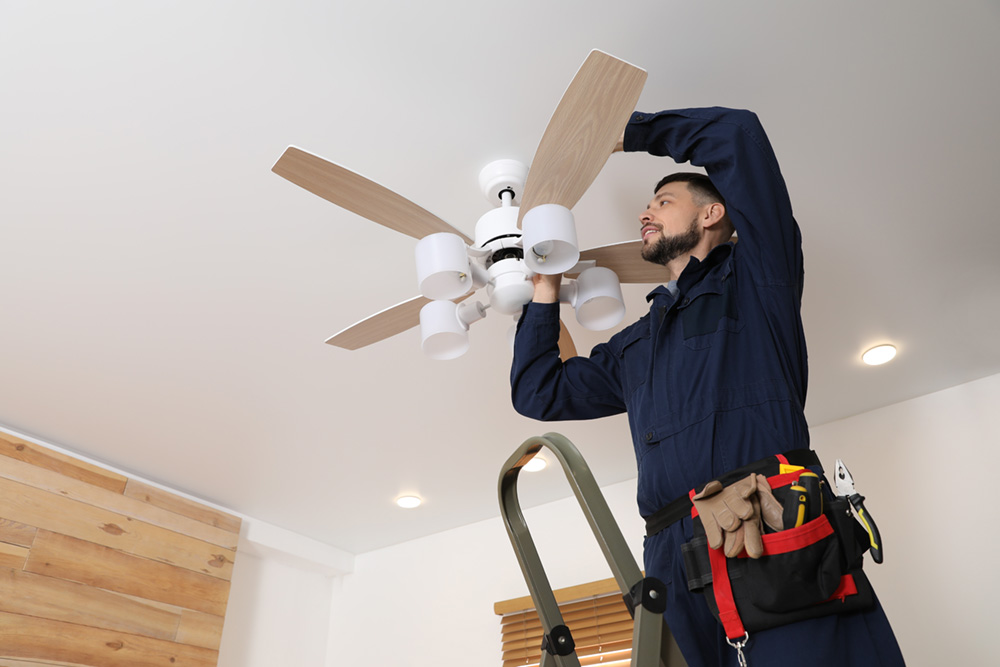
Ceiling fans are an excellent way to keep your home cool during the hot summer months without relying on your air conditioner. By circulating the air in your home, ceiling fans can help you feel up to 4 degrees cooler. Plus, ceiling fans use much less energy than air conditioners so you can save money on your energy bills.

Seal air leaks

Air leaks around your windows and doors can allow cool air to escape from your home. This forces your air conditioner to work harder to keep your home cool. By sealing these leaks with weatherstripping or caulk, you can prevent cool air from escaping. This reduces the amount of work your air conditioner has to do to keep your home cool.

Install window treatments

Installing window treatments can help keep your home cool by blocking out the sun’s rays during the hottest part of the day. By keeping your home’s interior shaded, you can reduce the amount of heat that enters your home. This makes it easier to keep your home cool without relying on your air conditioner.

Upgrade to a more energy-efficient air conditioner

If your air conditioner is more than 10 years old, it may be time to upgrade to a more energy-efficient model. Newer air conditioners are designed to use less energy while providing the same level of cooling as older models. This saves you money on your energy bills in the long run. Look for air conditioners with a high SEER (Seasonal Energy Efficiency Ratio) rating for the most energy-efficient cooling.

Schedule regular HVAC maintenance

Finally, regular air conditioning maintenance and ac repair can help ensure that your air conditioning installation is running as efficiently as possible. A professional HVAC technician like Lieber Mechanical can inspect your system for any issues that may be reducing its efficiency, such as dirty filters or clogged coils, and do HVAC repair. By addressing these issues early on, you can prevent more significant problems down the road and keep your energy bills low.

Compliments of Virtual Results

How Your Credit Score Impacts Your Mortgage Rate

By

How Your Credit Score Impacts Your Mortgage Rate

Are you considering buying a house soon? One thing you might not be aware of is how your credit score affects your mortgage rate. Let’s dive into how these two things are connected, and what you can do to make sure you’re getting the best rate possible.

What is a credit score?

Your credit score is a number that represents how likely you are to repay debts on time. It takes into account things like how much debt you have, how long you’ve had credit, and whether you’ve missed any payments in the past. Your credit score can range from 300 to 850. The higher your score, the better your credit.

How does your credit score impact your mortgage rate?

When you apply for a mortgage, lenders use your credit score to determine how much of a risk you are. If you have a high credit score, then lenders are more likely to offer you a lower interest rate on your mortgage. This is because they believe you’re less likely to default on your payments. On the other hand, if you have a low credit score, then lenders may see you as a higher risk. They may then offer you a higher interest rate to offset that risk.

How can you improve your credit score?

If you’re looking to buy a house and want to get the best mortgage rate possible, there are a few things you can do to improve your credit score:

  1. Pay your bills on time: One of the biggest factors in your credit score is whether you make your payments on time. Set up automatic payments or reminders to make sure you never miss a due date.
  2. Pay down debt: Another factor in your credit score is how much debt you have compared to your available credit. This is called your credit utilization ratio. Try to pay down your debts as much as possible before applying for a mortgage.
  3. Check your credit report for errors: Sometimes mistakes can happen on your credit report, which can negatively impact your score. Check your report for errors and dispute any you find.
  4. Avoid opening new credit accounts: Every time you apply for credit, it can temporarily lower your score. Try to avoid opening new credit accounts in the months leading up to your mortgage application.

What should you do if you have a low credit score?

If you have a low credit score and are worried about getting a high mortgage rate, there are still options available to you. One option is to work with a lender who specializes in helping people with lower credit scores. These lenders may be more willing to work with you to find a mortgage rate that fits your budget. Another option is to consider a government-backed loan, such as an FHA loan. These loans are designed to help people with lower credit scores or smaller down payments qualify for a mortgage. However, keep in mind that these loans may come with higher interest rates and mortgage insurance premiums.

Compliments of Virtual Results

How Local Amenities Affect Home Values

By

When it comes to buying a home, there are many factors to consider. Of course, location is one of the most important. But what exactly makes a location desirable? Local amenities are one of the key factors that can make a location appealing to potential buyers. Let’s explore how local amenities can affect home values.

What are local amenities?

Local amenities are the facilities, services, and attractions that are located near a property. These can include things like parks, schools, restaurants, grocery stores, shopping centers, public transportation, and more. Essentially, any feature that makes a location more convenient or attractive can be considered a local amenity.

The importance of local amenities

Local amenities can have a big impact on the value of a property. They can make a location more desirable, which can lead to higher demand for homes in the area. This can drive up home prices and make it more difficult for buyers to find affordable options. On the other hand, if a location lacks desirable amenities, it may be less attractive to buyers. This can lead to lower home prices.

Proximity to parks and outdoor spaces

One of the most sought-after amenities is proximity to parks and outdoor spaces. Living near a park can offer a range of benefits including improving both your physical and mental health. Properties that are located within walking distance of parks or outdoor recreation areas tend to be more attractive to buyers. This can drive up their value.

Access to good schools

Access to good schools is another important factor that can affect home values. Families with children often prioritize living in areas with highly rated schools. In fact, research has shown that homes located in areas with good schools tend to have higher property values than those located in areas with poor schools.

Availability of shopping and dining

The availability of shopping and dining options can also impact home values. Living near popular restaurants, grocery stores, and shopping centers can make a location more convenient and desirable. Properties located within walking distance of these amenities may be especially attractive to buyers.

Transportation options

Access to transportation options is also a key consideration for many buyers. Living near public transportation, such as bus or subway lines, can make it easier for residents to get around without a car. This can be appealing to urban buyers who want to reduce their reliance on personal vehicles. Properties located near transportation hubs may have higher values as a result.

The bottom line

While local amenities can have a significant impact on home values, their effect can vary depending on the specific location and the type of amenity in question. In general, highly desirable amenities like parks, good schools, and convenient shopping and dining options can increase home values. However, some amenities may have a more modest impact on home prices. For example, properties located near highways or major roads may have lower values due to noise and pollution concerns. Similarly, properties located near airports may have lower values due to the noise from planes. While these amenities can offer convenience and accessibility, they can also be drawbacks for many buyers. Ultimately, you should consider how each amenity either adds to or takes away from your overall quality of life.

Compliments of Virtual Results

How to Handle a Lowball Offer

By

How to Handle a Lowball OfferSelling a home can be a stressful experience, and dealing with a lowball offer can make it even more so. But don’t worry, there are several ways to handle this situation that can help you come out on top. Here are some tips to help you navigate a lowball offer with confidence and success.

Stay calm and don’t take it personally

The first thing to remember when dealing with a lowball offer is to stay calm and not take it personally. The buyer is simply trying to negotiate the best deal they can, and this is a common tactic in the real estate market. Take a deep breath and remember that this is just part of the process.

Assess the buyer’s motivation

Before responding to a lowball offer, take some time to assess the buyer’s motivation. Are they a serious buyer or just testing the waters? Do they have any contingencies that could cause the deal to fall through? Knowing the answers to these questions can help you decide how to proceed.

Counteroffer with confidence

If you’ve assessed the buyer’s motivation and feel that a counteroffer is appropriate, do so with confidence. Keep in mind that your counteroffer should be based on comparable sales in your area and the condition of your home. Don’t be afraid to negotiate, but also don’t sell yourself short.

Consider other terms

When responding to a lowball offer, it’s not just about the price. Consider other terms that could make the deal more favorable for you. For example, you could ask for a shorter closing period or for the buyer to cover some of the closing costs. These terms can make a lower offer more appealing.

Be prepared to walk away

If the buyer is not willing to negotiate and their offer is simply too low, be prepared to walk away. It’s important to remember that you have the power to make this decision. It’s better to hold out for a better offer than to settle for less than your home is worth.

Don’t let emotions cloud your judgment

It’s easy to get caught up in the emotions of selling your home, but it’s important to keep a clear head when dealing with a lowball offer. Don’t let your emotions cloud your judgment or lead you to make a decision that you may regret later.

Consider the market

When assessing a lowball offer, it’s important to consider the current market conditions. Is it a buyer’s market or a seller’s market? How long has your home been on the market? These factors can affect your decision to accept or reject an offer.

Remember your bottom line

When dealing with a lowball offer, it’s important to remember your bottom line. This is the minimum price you’re willing to accept for your home. If the offer falls below this threshold, it may be time to walk away.

Consult with your agent

Finally, when dealing with a lowball offer, it’s always a good idea to consult with your real estate agent. They have experience negotiating deals and can provide valuable insight and advice. Your agent can also help you assess the buyer’s motivation and determine the best course of action.

Compliments of Virtual Results

Summer Home Maintenance Checklist

By

While summer is a time for relaxation and fun, it’s also an ideal time to take care of important home maintenance tasks. By completing these tasks every summer, your home will be ready for whatever the fall and winter seasons may bring. So, grab your tools, put on some sunscreen, and get to work!

Clean your gutters

The gutters on your home play a vital role in directing rainwater away from your foundation. Over time, they can become clogged with leaves, twigs, and other debris. When this happens, water can overflow and damage your home’s foundation, roof, and siding. To prevent this from happening, it’s essential to clean your gutters at least once a year, ideally in the summer.

Inspect your roof

Your roof is another critical component of your home that you should check regularly. Summer is an excellent time for roofing repair and roofing maintenance. This is also the time to inspect your roof for any signs of damage. This includes missing or broken shingles, cracks, or leaks. Look for any areas where water might be able to penetrate your roof. Leaks can lead to more extensive damage over time. If you do find something, then do a roof repair immediately.

Check your air conditioning system

If you have an air conditioning system, then it’s important to ensure it’s functioning correctly before the hot weather arrives. Start by replacing the air filters. This can help improve the efficiency of your system. You should also inspect the outdoor unit for any signs of damage, such as dents or bent fins. If you notice any issues, then it’s best to contact a professional HVAC technician to perform a more thorough inspection.

Seal your windows and doors

Drafty windows and doors can significantly impact the energy efficiency of your home. This can lead to higher energy bills and a less comfortable living environment. To prevent air leaks, it’s essential to seal your windows and doors every summer. Start by inspecting the weatherstripping around your windows and doors. Replace any worn or damaged areas. You can also apply caulking around the edges of your windows and doors to create a tighter seal.

Clean your outdoor living spaces

Summer is the perfect time to enjoy your outdoor living spaces. But they can become dirty and dingy over time. To keep them looking their best, it’s important to clean your decks, patios, and outdoor furniture regularly. Start by sweeping away any debris. Then use a pressure washer or hose to remove any dirt or stains. You can also apply a protective sealer to your decks and patios to help prevent future damage.

Inspect your chimney

If you have a fireplace in your home, then you should have your chimney inspected every year. During the summer, it’s a good idea to schedule an inspection to ensure there are no blockages or other issues that could prevent proper airflow. A professional chimney sweep can also remove any built-up creosote. This can reduce the risk of a chimney fire.

Clean your dryer vent

Finally, over time, the vent that connects your dryer to the outside of your home can become clogged with lint and other debris. This can not only impact the efficiency of your dryer but can also be a fire hazard. To prevent this from happening, it’s important to clean your dryer vent every summer. You can do this yourself by disconnecting the vent and using a brush or vacuum to remove any debris. Alternatively, you can hire a professional to do it for you.

Compliments of Virtual Results

Choosing a Real Estate Attorney

By

Choosing a Real Estate AttorneyBuying or selling a property can be a complicated process that involves a lot of legalities. To ensure a smooth transaction, we recommend hiring a real estate attorney. But with so many options out there, how do you choose the right one? Here are some tips to help you make an informed decision.


Determine your needs

Before you start looking for a real estate attorney, it’s essential to determine your needs. Are you buying or selling a property? Do you need assistance with drafting contracts, reviewing documents, or negotiating deals? Once you have a clear understanding of your requirements, it will be easier to find an attorney who specializes in those areas.

Consider experience and expertise

When it comes to choosing a real estate litigation law firm, experience and expertise matter. Look for someone who has been practicing law for several years and has a proven track record of handling real estate transactions. Additionally, consider an attorney who specializes in real estate law and has experience in the specific type of transaction you’re pursuing.

Check credentials

A good real estate attorney should have the necessary credentials to practice law. Check if the attorney is licensed and has a good standing with the state bar association. You can also check for any disciplinary actions or complaints filed against the attorney.

Ask for referrals

Ask your real estate agent, mortgage broker, or other professionals in the industry for referrals. They may have worked with good real estate lawyers in the past and can recommend someone who has a track record of success. Additionally, ask friends and family members who have recently bought or sold a property if they can recommend an attorney.

Interview potential attorneys

Once you have a list of potential attorneys, it’s essential to schedule a consultation with each of them. During the interview, ask about their experience, expertise, and fees. It’s also a good idea to ask for references from past clients and check them.

Discuss fees

Before hiring a real estate attorney, it’s important to discuss their fees. Attorneys usually charge a flat fee or an hourly rate. Some attorneys may also work on a contingency basis, where they only get paid if the transaction is successful. Make sure you understand their fee structure and any additional costs that may arise.

Consider availability

When choosing a real estate attorney, it’s important to consider their availability. You want an attorney who will be available to answer your questions and address your concerns promptly. Make sure you choose an attorney who is responsive and communicates effectively.

Evaluate communication skills

A good real estate attorney should have excellent communication skills. They should be able to explain complex legal terms and concepts in a way that is easy to understand. Additionally, they should be able to effectively communicate with all parties involved in the transaction.

Trust your gut

Lastly, trust your gut when choosing a real estate attorney. You want to work with someone you feel comfortable with and who has your best interests at heart. If you don’t feel confident about an attorney, it’s best to look for someone else.

Compliments of Virtual Results