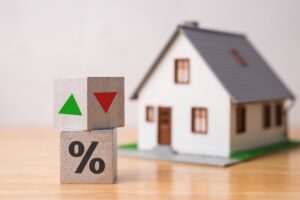
 Rising mortgage rates have become one of the most talked-about topics in real estate. Whether you’re planning to buy your first home, sell a property, or simply track housing market trends, understanding how higher interest rates affect buyers and sellers is essential.
Mortgage rate increases don’t just change monthly payments—they influence affordability, home prices, buyer demand, and seller strategies. Here’s what rising mortgage rates really mean for today’s housing market and how both buyers and sellers can adapt.
How Rising Mortgage Rates Affect Home Buyers
1. Higher Monthly Mortgage Payments
When mortgage rates rise, borrowing becomes more expensive. Even a small rate increase can significantly raise monthly payments over a 30-year loan. This reduces overall affordability, especially for first-time home buyers.
Example:
A 1% rate increase can add hundreds of dollars per month to a typical mortgage payment.
2. Reduced Buying Power
Higher interest rates lower the amount buyers can afford to borrow. As a result, buyers may need to:
- Lower their home price expectations
- Increase their down payment
- Look in more affordable neighborhoods
This shift often pushes buyers toward smaller homes or alternative locations.
3. Fewer Buyers, More Caution
Rising mortgage rates tend to slow buyer demand. Many buyers pause their search, hoping rates will drop, while others become more cautious and selective before making offers.
How Rising Mortgage Rates Affect Home Sellers
1. Slower Home Sales
As buyer demand cools, homes may stay on the market longer. Sellers can no longer rely on bidding wars or instant offers, especially in markets that were once red-hot.
2. Pricing Becomes More Important
With fewer buyers competing, correct pricing is critical. Overpriced homes are more likely to sit unsold or require price reductions. Sellers may need to adjust expectations based on current market conditions.
3. Fewer Move-Up Buyers
Homeowners with low existing mortgage rates may hesitate to sell, knowing they’ll have to buy again at a higher rate. This can reduce overall housing inventory but also limit the pool of motivated sellers.
What Rising Mortgage Rates Mean for Home Prices
Rising mortgage rates don’t always cause home prices to crash—but they often slow price growth. In many markets, prices may:
- Stabilize instead of rising rapidly
- Increase at a slower pace
- Decline slightly in overheated areas
Local supply, demand, and economic conditions still play a major role.
Smart Strategies for Buyers in a High-Rate Market
- Get pre-approved early to lock in rates when possible
- Improve your credit score to qualify for better interest rates
- Consider adjustable-rate or shorter-term mortgages
- Negotiate seller concessions, such as rate buy-downs or closing cost credits
Being flexible and financially prepared gives buyers an advantage when competition eases.
Smart Strategies for Sellers in a High-Rate Market
- Price your home competitively from the start
- Enhance curb appeal and staging to stand out
- Offer incentives, such as paying part of the buyer’s closing costs
- Work with an experienced real estate agent who understands shifting market dynamics
In a higher-rate environment, presentation and pricing matter more than ever.
Final Thoughts: Adapting to Rising Mortgage Rates
Rising mortgage rates change the real estate landscape—but they don’t stop it. Buyers gain negotiating power, while sellers must be more strategic. The key for both sides is understanding the market, adjusting expectations, and making informed decisions.
Whether you’re buying or selling, staying informed about mortgage rate trends can help you navigate the housing market with confidence.
Compliments of Virtual Results


 Catch Our Feed
 Subscribe via Email
 Follow Our Tweets
 Friend Us On Facebook
 Watch Us On Youtube