New? Pre-Owned? How to Choose…
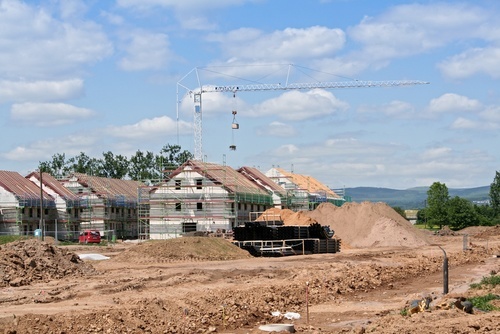
If you,
- Are lured by the shiny new home in the brochure and it calls to you, or
- Pass by the fluttering flags of that new sub-division, and your car automatically turns in, and
- A walk through model homes every weekend is your idea of relaxation
You may be in the market for a new-built house.
After all, when the house is new, you can specify some of the materials, fixtures or appliances; assure that the home meets current energy-efficiency standards; and, you know that no one has lived there before you with their three dogs, six cats and a host of other pets you might be allergic to. In addition, newly built homes come with a warranty. Some new home warranties offer protection for costly components such as heating and air-conditioning units and appliances for as many as ten years.
In fact, the advantages for customization and participating in the design choices may be a great part of the draw for you. Surveys show that nearly twice as many people in the process of looking for a home to buy prefer a new home. The “work” is done for you … there’s no donning of painter’s clothes or trips to home-improvement stores for replacement fixtures. You move in to that “new home smell.”
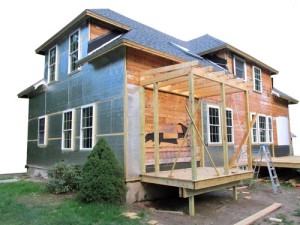
On the other hand, you may be drawn to the complete customization that a remodel or re-design of an existing home offers you, the charm of older architectural elements, or the sheer excitement of taking something old and remaking it into your perfect vision.
If you:
- Detour through mature neighborhoods on a regular basis, and
- Avidly follow home-improvement shows on the cable stations, or
- Look for open house signs on the weekends in your favorite neighborhoods
You’re probably a candidate for a pre-owned home.
When you buy a previously owned home, your priority often is the stability of the neighborhood, the maturity of the trees and landscaping, the nearby schools that have a history of high achievement, and other intangibles that come from the community. Existing homes often have a lower price tag and, since the neighborhood infrastructure already exists, they often have a lower tax obligation.
Of course, with an older home you will have to make updates to appliances, carpeting, and roofing sooner than with a new home, but you can request a home warranty from the seller as part of your purchase negotiation. Check with your real estate professional about home warranties.
You’ll find conflicting information on whether new homes are larger than older homes, and vice versa for the same dollars. The trend at the beginning of this century certainly was toward larger homes, but in recent years buyers seeking energy efficiency or homes nearer to their work, restaurants and nightlife are opting for the smaller existing homes in neighborhoods meeting those requirements.
Before you decide which is best for you, let your real estate professional show you the homes available in both categories — existing pre-owned or new-built, or even recently built (within the last five years) — so that you can make a truly informed decision.
Compliments of Virtual Results
 You just moved.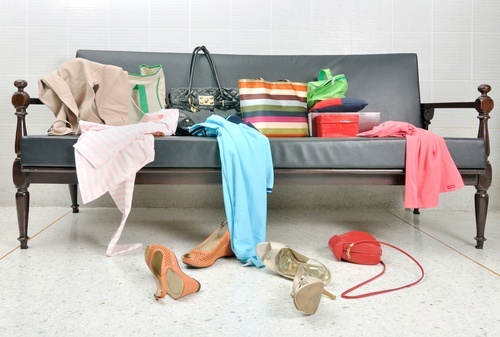
 Whether you’ve just moved into a new house or are preparing to sell, don’t let the fact that it’s cold outside stop you from getting started. Here are some projects you can tackle even if the snow is piling up outside!
 For many of us, bright, beautiful colors bring joy to our lives. When we make our homes our own, we tend toward the colors that make us happy. When we think about selling our home, however, we need to understand just how subjective color is. While cool greens make cause you to think of shimmering tropical waters, those same colors may remind a potential buyer of the walls of a hospital or school they didn’t enjoy.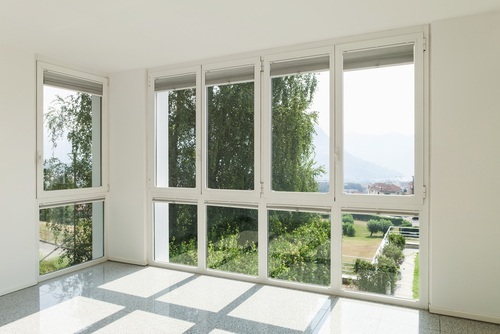
 Traditional real estate marketing says homes sell better in the Spring and that if you haven’t sold by the time school starts, you might as well wait until the weather warms again. But these days, real estate is anything but traditional.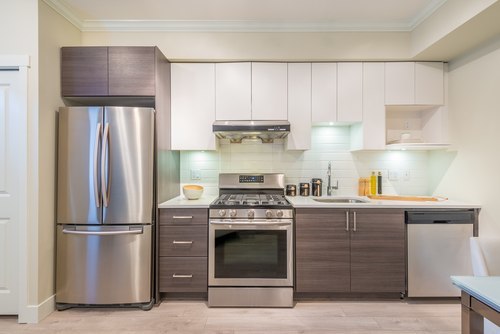
 Owners of older homes dream of updating or modernizing kitchens and baths. In fact, before they place their homes on the market, some folks go to all the effort to update the kitchen by adding new appliances from stores like this
  If you bought a new home in 2015, here are some things to think about as you get ready for tax season:

 Catch Our Feed
 Subscribe via Email
 Follow Our Tweets
 Friend Us On Facebook
 Watch Us On Youtube