Title vs. Deed: Demystifying the Duo in Real Estate
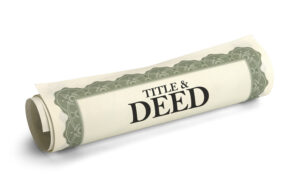 When it comes to diving into the world of real estate, there’s a whole glossary of terms to navigate. Two terms that often get mixed up are “title” and “deed.” While they both play crucial roles in the real estate game, they aren’t exactly two peas in a pod. Let’s break down the differences between title and deed in the laid-back style you’d expect from your favorite real estate pal.
Title Talk: The Legal Ownership Badge
Think of the title as the bragging rights or the ownership badge of your property. When you own the title to a piece of real estate, you’re essentially saying, “Hey, this piece of land or this house is mine.” The title is like the VIP pass to your property.
So, what’s in this VIP pass? It includes information like who owns the property, any legal restrictions or easements, and whether there are any outstanding debts or liens. It’s like the real estate version of a Carfax report. Before you buy a property, you want to make sure the title is squeaky clean, ensuring you won’t be surprised by any hidden issues.
Deed Dive: The Actual Transfer Document
Now, let’s talk about the deed – the legal document that officially transfers ownership from one party to another. Imagine the deed as the signed contract or the official handshake of the real estate world. It’s the tangible proof that the property has changed hands.
A deed contains vital details like the names of the old and new property owners, a legal description of the property, and the not-so-secret secret sauce – the granting clause. This is the part where the current owner officially gives the property to the new owner. Without a properly executed deed, that real estate dance of ownership remains incomplete.
Why Both Matter: Partners in Property Ownership
In the real estate tango, title and deed are inseparable dance partners. While the title establishes ownership, the deed makes it official. Picture the title as the invitation to the property party, and the deed as your stamped ticket at the entrance.
Having a clear title ensures that the property is rightfully yours, free from any unwanted baggage. Once you’ve got that title shining bright, a well-drafted deed seals the deal and transfers ownership seamlessly.
In Conclusion: The Real Estate Romance
So, there you have it – the difference between title and deed, the dynamic duo of real estate. While the title proudly declares ownership, the deed is the legal love letter that solidifies the connection. When these two are in sync, your real estate romance can blossom without any legal hiccups.
As you navigate the world of property ownership, remember to keep an eye on both title and deed. They may not be the stars of the show, but they sure are the backstage heroes ensuring a smooth real estate performance. Happy home hunting!
Compliments of Virtual Results


 Selling your home is a significant financial transaction, and setting the right asking price is crucial to attract potential buyers while ensuring you get the best value for your property. Have you ever wondered how realtors arrive at that magic number? In this blog post, we will delve into the intricate process that real estate agents follow to determine the perfect asking price for your home.
 Selling your home is a significant decision that involves careful consideration of various factors. Whether you’re looking to upgrade, downsize, or relocate, recognizing the signs that it’s time to sell your home is crucial. In this blog post, we’ll explore key indicators sourced from real estate experts to help you determine if the time is right to put your property on the market.
 In the realm of real estate, creating an eco-friendly home isn’t just about reducing your carbon footprint — it can also enhance property value, decrease utility costs, and contribute to a healthier environment. Here are some practical steps to save energy and reduce waste, turning your home into a sustainable haven.

 In the realm of real estate, the concept of a walkable neighborhood has gained substantial popularity in recent years. Homebuyers and renters are increasingly prioritizing communities where they can ditch their cars and enjoy the convenience of strolling to nearby amenities. If you’re on the lookout for a home in a walkable neighborhood, here’s a guide to help you spot the signs of a pedestrian-friendly paradise.


 Catch Our Feed
 Subscribe via Email
 Follow Our Tweets
 Friend Us On Facebook
 Watch Us On Youtube