Choosing the Wrong Realtor: What It Really Costs
 Buying or selling a home is one of the biggest financial decisions you’ll ever make—and the realtor you choose can make or break the experience. While most people focus on price, location, or timing, the truth is this: picking the wrong realtor can quietly cost you thousands of dollars, months of stress, and missed opportunities.
Let’s break down what really happens when you work with the wrong agent—and how to avoid making a mistake you’ll regret.
Why Your Realtor Choice Matters More Than You Think
A good realtor does far more than unlock doors or list a property online. They negotiate on your behalf, guide pricing strategy, market effectively, manage paperwork, and protect your interests at every step.
A bad realtor? They do the opposite—often without you realizing it until it’s too late.
The Hidden Costs of Picking the Wrong Realtor
1. Overpricing or Underpricing Your Home
An inexperienced or careless agent may rely on outdated data or gut feelings instead of real market analysis.
- Overpricing leads to longer time on the market and price drops
- Underpricing leaves money on the table
Either way, you lose.
2. Weak Negotiation Skills
Real estate is negotiation-heavy. The wrong realtor may:
- Accept the first offer too quickly
- Fail to push back on unreasonable repair requests
- Miss leverage opportunities
This can cost you thousands—sometimes tens of thousands—of dollars.
3. Poor Marketing and Low Visibility
In today’s digital-first market, marketing matters. A weak agent might:
- Use low-quality photos
- Skip video, social media, or targeted ads
- Write bland listing descriptions
The result? Fewer showings, fewer offers, and less competition.
4. Missed Red Flags and Costly Mistakes
Experienced realtors spot issues early—inspection problems, financing risks, or legal concerns. A bad one may overlook:
- Problematic contingencies
- Buyer qualification issues
- Contract deadlines
These mistakes can delay closing or kill deals entirely.
5. Stress, Confusion, and Burnout
One of the biggest truths about picking the wrong realtor is the emotional toll. Poor communication, slow responses, and lack of guidance turn an exciting milestone into a frustrating ordeal.
Warning Signs You’ve Chosen the Wrong Realtor
Watch out for these red flags:
- They’re hard to reach or slow to respond
- They avoid explaining contracts or processes
- They pressure you into decisions
- They lack local market knowledge
- They focus more on commission than your goals
If you feel uneasy early on, trust your instincts.
How to Choose the Right Realtor (and Avoid Regret)
To protect yourself:
- Interview multiple agents
- Ask about recent local sales
- Review online testimonials and reviews
- Ask about their marketing strategy
- Make sure they listen more than they talk
The right realtor should feel like a trusted advisor—not a salesperson.
Final Thoughts
The truth about picking the wrong realtor is simple but serious: it can cost you time, money, and peace of mind. Real estate transactions are too important to leave in the wrong hands.
Choosing the right professional isn’t just smart—it’s essential.
If you’re buying or selling a home, take the time to choose wisely. Your future self (and your bank account) will thank you.
Compliments of Virtual Results
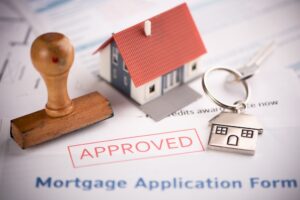 If you’re planning to buy a home, getting pre-approved for a mortgage should be one of your very first steps. It shows sellers you’re serious, helps you understand your budget, and can even give you an edge in a competitive housing market.
 Buying a home is exciting—but it’s also one of the biggest financial commitments you’ll ever make. While most buyers plan for the down payment and monthly mortgage, many are caught off guard by hidden home buying costs that quickly add up.
 Pet ownership continues to rise, and in 2026, buyers aren’t just allowing pets—they’re actively shopping for homes designed with them in mind. For sellers, builders, and real estate professionals, understanding pet-friendly home features is no longer a niche advantage—it’s a serious market differentiator.
 In today’s competitive real estate market, not all home renovations are created equal. Whether you’re planning to sell soon or simply want to invest wisely in your property, choosing the right upgrades can significantly increase your home’s value—and its appeal to buyers.
 Selling your home doesn’t have to feel overwhelming. With the right plan—and the right timing—you can sell faster, attract serious buyers, and maximize your profit. This step-by-step home selling checklist breaks the process down into clear, actionable steps so you know exactly what to do and when to do it.
 Choosing the right neighborhood is just as important—if not more—than choosing the right home. A beautiful house in the wrong area can quickly turn into a daily frustration, while an average home in the right neighborhood can dramatically improve your quality of life.
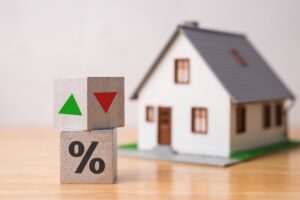 Rising mortgage rates have become one of the most talked-about topics in real estate. Whether you’re planning to buy your first home, sell a property, or simply track housing market trends, understanding how higher interest rates affect buyers and sellers is essential.
 Buying your first home in 2026 is both exciting and complex. With evolving mortgage rates, tighter affordability in some markets, and new loan programs emerging, first-time homebuyers need smarter strategies than ever before.
 When buyers compare homes with similar size, style, and condition, neighborhood factors often become the deciding factor. Among the most influential—and measurable—are noise, traffic, and walkability. Together, these elements shape daily living experiences and can significantly affect home prices and resale potential.

 Catch Our Feed
 Subscribe via Email
 Follow Our Tweets
 Friend Us On Facebook
 Watch Us On Youtube