Becoming a Landlord
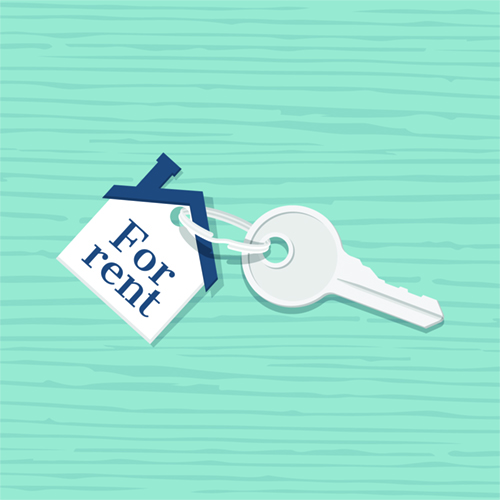
Are you considering investing in real estate that you will use as a rental property? Or perhaps you’re getting ready to move and want to hold on to your current home so you’ll have rental income. Whatever the case, becoming a landlord can be a huge learning curve. Before you commit to owning a rental property, here’s what you should know.
Know the law
Before becoming a landlord, you should familiarize yourself with both state and federal housing laws. Understand that each state will have certain regulations about security deposits, how much notice needs to be given to tenants to vacate, and what kind of access you’ll have to the property. As a landlord, you cannot discriminate against potential tenants based on certain criteria, such as age, marital status or religion.
Have a plan for maintenance and repairs
Owning a home means planning for repairs and maintenance such as plumbing and roof repair. If you live close by, you may be able to handle repairs yourself. If you’re living farther away from your rental property, consider hiring a property manager to handle repair requests like roofing maintenance, plumbing repairs, etc. Know how you’ll address repairs when you’re out of town, and set specific hours when your tenants can contact you. You should also set aside ten percent of your rental income to cover repairs and maintenance costs. Regular testing for legionella can also help prevent potential and sometimes fatal outbreaks of Legionnaires’ disease. Visit premiumlegionellaservices.co.uk to schedule a legionella risk assessment today.
Screen potential tenants
When searching for new tenants, you should have a process in place for screening applicants. It’s worth your time to do a background check, a credit check and to follow up on references they provide. If possible, conduct an interview to make sure you feel comfortable with them.
Prepared a customized lease
You can begin with a template for your lease, but take the time to customize it for your particular situation. Be specific about what is or is not allowed, such as the number of pets or use of the garage. Have a lawyer review your lease to make sure that it is in line with all current lease laws for your state.
Perform inspections
Before renting out the property, do a thorough inspection of the home. Document the condition and take pictures and/or videos. Have new tenants sign off on the home’s move-in condition. When the tenant is preparing to vacate, do another inspection and document any changes in the condition of the home. Be sure your lease clearly states what types of repairs whether it be roof repair, appliance maintenance, or anything in between, that the tenant is responsible for upon moving out.
Price correctly
Keep current with the housing market in your rental’s neighborhood. When it’s time to find a new tenant, research rental costs in your area for comparable properties and set your price accordingly.
Make it easy to pay rent
As a landlord, you want your tenants to pay their rent in full and on time every month. Make it as easy as possible for them to do this by setting up electronic payments. Establish a clear late policy and stay strict about enforcing late fees. Having the extra costs associated with late payments will make your tenants more likely to pay on time. If they don’t, the extra income helps to alleviate some of the stress you may feel.
Compliments of Virtual Results



 It’s often said a picture is worth a thousand words. But can you be sure those words are totally accurate? If you’ve been house hunting and have fallen in love with a home based on the pictures you’ve seen online, you should keep in mind that those pictures may not tell the whole story. Here’s why it’s vitally important that you visit potential new homes in person.

 Does your outdoor space make a good first impression? Your home’s exterior is the first thing that potential buyers will see when they take a tour. Are you making the most of it? If you think your outdoor spaces could use a little TLC as you get ready to sell, here are some tips to help you stage them like a pro.
 Front doors make an undeniable first impression. Whether it’s a cheerful yellow, an on-trend purple or a welcoming red, the color of your front door can have a major impact on how your home is perceived. If you’re ready to take your front door from drab to fab, here are some guidelines to help you choose the perfect hue.

 Catch Our Feed
 Subscribe via Email
 Follow Our Tweets
 Friend Us On Facebook
 Watch Us On Youtube