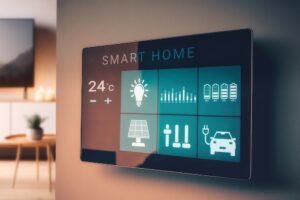
 The idea of a “smart home” has evolved far beyond voice assistants and app-controlled lights. While early adopters once chased novelty, today’s homebuyers are far more practical. They’re not just asking, “Is this home smart?”—they’re asking, “Does this technology actually improve my life?”
If you’re selling, developing, or investing in real estate, understanding what buyers truly value in smart homes can make a measurable difference in both appeal and price.
1. Security Still Leads the List
Smart security features remain the most desirable—and for good reason. Buyers consistently prioritize safety over convenience gimmicks.
The most valued features include:
- Video doorbells with real-time alerts
- Smart locks with remote access
- Integrated security systems (cameras, sensors, alarms)
- Motion detection and outdoor surveillance
What matters isn’t just having these features, but how seamlessly they work together. Buyers prefer systems that are easy to manage from a single app rather than juggling multiple platforms.
2. Energy Efficiency Is No Longer Optional
Rising energy costs and environmental awareness have made efficiency a major selling point. Smart homes are increasingly expected to help reduce utility bills, not increase them.
Top features buyers look for:
- Smart thermostats that learn usage patterns
- Energy monitoring systems
- Automated lighting with occupancy sensors
- Solar integration with smart management systems
Homes that can demonstrate actual savings—through data or past utility records—have a clear advantage.
3. Simplicity Beats Complexity
One of the biggest shifts in buyer preference is a move away from overly complicated setups. Early smart homes often required technical know-how, which turned many buyers off.
Today, the winning formula is:
- Easy setup
- Intuitive interfaces
- Minimal maintenance
- Compatibility with common ecosystems (Google, Apple, Alexa)
If a system requires a manual or constant troubleshooting, it quickly loses its appeal.
4. Reliability Over Flashy Features
Buyers are less impressed by cutting-edge tech that feels experimental. Instead, they want proven, reliable systems that work consistently.
For example:
- Automated blinds are appreciated—but only if they operate smoothly every time
- Smart appliances are attractive—but only if they integrate well and don’t overcomplicate daily tasks
In short, dependable functionality is more valuable than innovation for its own sake.
5. Remote Control and Automation That Makes Sense
Automation is still a major draw—but only when it serves a clear purpose. Buyers appreciate features that save time or improve comfort without requiring constant input.
Popular automations include:
- Climate adjustments based on occupancy
- Scheduled lighting routines
- Security systems that arm automatically
- Leak detection systems that send instant alerts
The key is subtlety. The best smart homes feel effortless, not overwhelming.
6. Future-Proofing Matters
Tech evolves quickly, and buyers are increasingly aware of that. They want homes that won’t become outdated in a few years.
What helps:
- Systems that receive regular software updates
- Open-platform compatibility
- Infrastructure like strong Wi-Fi coverage and wired networking
A “future-ready” home is often more appealing than one packed with soon-to-be-obsolete gadgets.
7. Wellness and Comfort Features Are Growing
A newer trend is the integration of health and wellness technology. While not yet universal, demand is rising.
These include:
- Smart air purifiers and air quality monitors
- Circadian lighting systems
- Smart water filtration tracking
- Temperature zoning for personalized comfort
These features resonate especially with families and high-end buyers.
The Bottom Line
Smart homes are no longer about showing off the latest technology—they’re about delivering real, everyday value. Buyers want homes that are secure, efficient, easy to use, and built to last.
For sellers and developers, the takeaway is clear: prioritize practicality over novelty. The smartest homes today aren’t the most complex—they’re the ones that simply work better for the people living in them.
Compliments of Virtual Results


 Catch Our Feed
 Subscribe via Email
 Follow Our Tweets
 Friend Us On Facebook
 Watch Us On Youtube