Winterizing Your Vacant Home
By
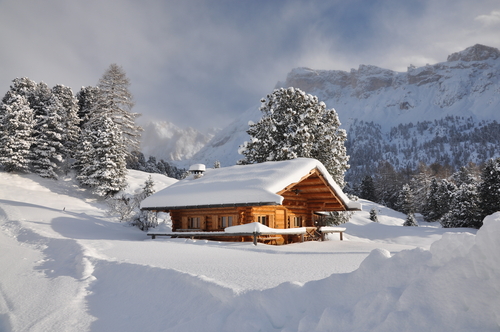
Whether it is your summer vacation cottage, or your recently vacated home put up for sale, proper winterizing prevents your home from deteriorating while it’s empty and saves you money both now and later.
Make a list
Decide what needs to be done and make a list to check off as you do it. Be sure to add these areas to your list.
- Plumbing: Turn off water at the exterior of your home. Make sure the lines completely drain by turning on all the taps until no more water comes out. Water remaining in the lines can freeze, causing your pipes to burst and resulting in very expensive repairs both to the pipes and to floor coverings and walls. If this happens, you can call J&T Dale Plumbing to get it fixed. And to prevent these plumbing issues, you can: Blow water from pipes using an air compressor. Pour RV-type anti-freeze in the traps. Close sink and tub drains to keep out critters and preventing odors. Cover the toilet bowl with plastic wrap to prevent sewer gasses from entering your home. Before the winter months arrive, you may want to inspect your sewer lines so you can work on the necessary sewer repair of any damages. Drain cleaning may also be conducted before the weather freezes your plumbing.
- Appliances: Drain water from your dishwasher, washing machine and your refrigerator’s water lines. Remove your refrigerator’s water filter so that it does not freeze and break inside the refrigerator. Drain and turn off your water heater. Learn the difference between rinnai vs rheem to choose the best one for your home. If your power will be off, completely empty and clean your refrigerator, then prop the door open to prevent mold growth.
- Utilities: If your home has power during the winter, set your thermostat low, but warm enough to prevent freezing and to keep your home dry so that mold does not grow. Also, unplug all appliances, including televisions and microwaves to prevent risk of fire from faulty wires.
- Pests: Remember that mice and rats like warm places. They also like to gnaw on wires. If your home is prone to pests when it is empty, set out bait or traps, or consult a mice pest control professional. Remove any foods stored in boxes or bags, since pests can chew through the cardboard or plastic to get at the stale crackers or cereal inside. The experts at pest control grand rapids will tackle pests with reliable treatment solutions, tools, and knowledge.
- Remove any liquids that might freeze. This includes bottled water, soda or beer in cans or bottles, and even paint.
- Close flues and dampers, windows and vents. Seal any opening that might invite pests or the cold into your home.
- Installing roller shutters Sydney and window drapes will keep the sun from fading your carpet and protect your windows from inclement weather such as hail.
- Wash linens and store them in plastic bags. The vacuum-sealed storage bags repel water, dirt and insects and protect your sheets, towels and blankets from mildew and mold.
If your home is for sale
When your vacant home is for sale, it is smart to leave the power on. If the home uses gas for heating, then be sure to leave the gas on as well. Buyers want to see the home, so if it is too cold or too dark, your home is less likely to sell. Check with us about managing your empty property.
Compliments of Virtual Results
No comments
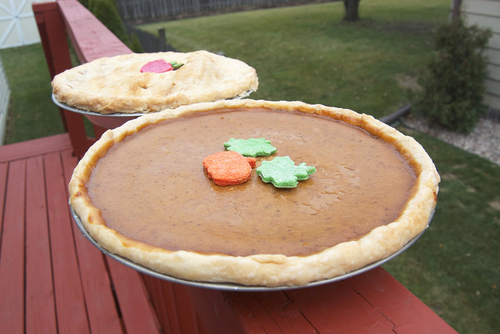
 To have an open house or not to have an open house over the Thanksgiving weekend: that is the question! Many sellers assume that the Thanksgiving holiday weekends and the week between Christmas and New Years Day are less than favorable times to have an open house. Some real estate agents disagree.

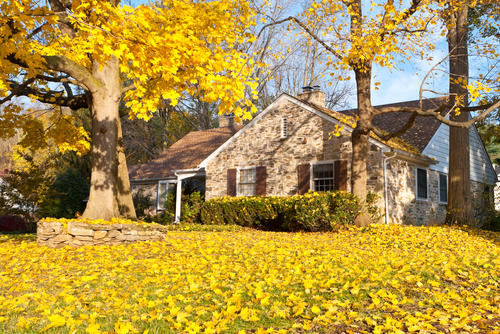



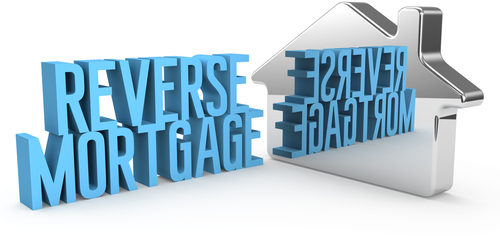 To help you through your retirement, you took out a reverse mortgage on your family home. Now, several years into your retirement, you son wants to buy his childhood home so you can move to a warmer climate. Can you sell your home?
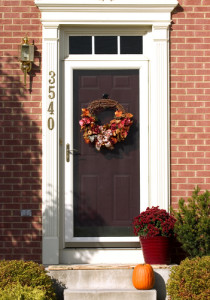 As we prepare to enter the holiday shopping season, home sellers may think it is too late to sell their home this year. You may have heard that homes sell better in the spring, so you might be tempted to take your home off the market until after the New Year. After all, you have shopping to complete, baking to do, decorating to finish and myriad programs and activities vying for your time.
 One of the very first discussions the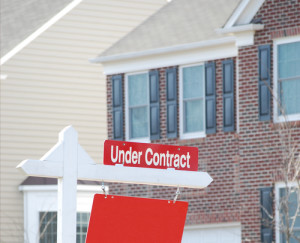
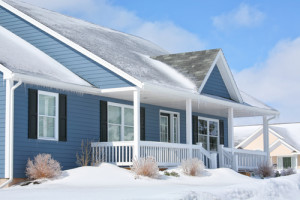 With November just around the corner, winter weather is on its way. Now is the time to get the jump on cold weather and winterize your home. Whether you are selling your home or you are a new homeowner, it is a good idea to keep these things in mind:

 Catch Our Feed
 Subscribe via Email
 Follow Our Tweets
 Friend Us On Facebook
 Watch Us On Youtube