What to Know about Summer Lawn Care
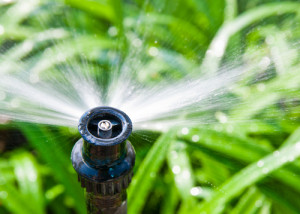 Lush greens and rolling verdant fairways stoke homeowner dreams of the perfect lawn. In most areas, July starts the season with the highest demand on the water supply. So maintaining those lavish landscapes takes knowledge and a plan, here we will teach you All you need to know about reticulation. However, if you are having problems with any other plants on your lawn, like your trees, instead of focusing on your grass try doing some tree care to increase their lifespan on your property.
Planting
Not all grasses are equal. When designing your lawn, be sure to use a grass that tolerates your climate. If you spent your childhood in one part of the country and have visions of a deep dark thick-bladed St. Augustine as your ideal lawn, but now live in a more drought prone area, where a Bermuda may be the optimal choice. The wrong grass species can increase watering and feeding requirements and reduce your enjoyment of your lawn. While fake grass does not require watering or mowing like traditional lawns, you will still need artificial turf maintenance.
Consult a local turf expert before you order seed or sod and end up with a lawn-care nightmare.
Watering
When it comes to lawn care, drought or wet conditions in your location determine how often your lawn needs watering. With drought conditions being widespread, however, you may only have one or two days per week that you’re allowed to water, so it is important to maximize your results.
- When to water: If walking across your lawn leaves visible depressions in the grass and blades don’t pop back up immediately, your grass needs water.
- Water summer grasses once every three days (or as allowed by your city’s watering plan).
- Use sprinklers designed to deliver larger droplets nearer to ground. Mist and small drops evaporate more quickly than large drops. For more information on sprinkler systems, read the section below.
Irrigation Tips
Install sprinklers based on your property’s topographic needs. Consult and expert for your area even if you plan to install the system yourself. Most manufacturers can help you develop a plan and offer custom-designed systems for you. If surface water has become a problem at your property, consider french drain installation.
Once installed, check your sprinkler heads often. Adjust sprinklers to water only your lawn sidewalks or the side of the house. If water runs down the street, both your frequency and spray may need adjusting.
- Only apply water as fast as the soil absorbs it.
- If you have water runoff, divide watering times into shorter periods.
- Adjust your watering schedule each month to match seasonal conditions and landscape requirements.
- Have your system checked yearly for leaks and broken parts.
Water Saving Tips
Periodically aerating your lawn allows water to seep to the roots rather than run off the surface. A pattern of holes every six inches provides excellent root access for most lawns.
Avoid cutting lawn too low. When you cut to a height lower than 1.5 to 2 inches, grass blades can no longer shade the soil, allowing water to evaporate more quickly. When you mow, leave the clippings on the lawn to further protect the soil and hold in moisture.
We can help you find a property with the lawn of your dreams, so give us a call today.
Compliments of Virtual Results.
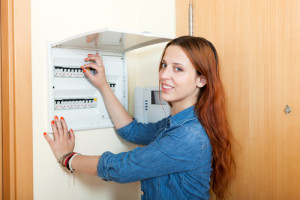 In the midst of all the summer activities, there are a few things you should add to your to-do list to keep you and your family safe in your home. Here are three:
 Summer is a great time to invest in outdoor upgrades and indoor options that make your home appealing to buyers. After months indoors, homebuyers respond quickly to outdoor amenities when scoping out homes to buy. Creating outdoor living areas and highlighting outdoor views give potential new owners the impression of both expanded space and bright, fresh access to nature.
 No matter when you close on your new home, there’s probably a holiday just around the corner giving you the perfect opportunity to host a party in your new digs. With Independence Day coming up, here are some ideas for celebrating your independence from landlords and rent, while showcasing your new place.
 Okay, so it’s not the Titanic. It’s your new house and you can’t seem to make your older furniture fit. Buying new furniture is out of the questions, so how do you make your round pegs fit into those square holes?
 For many people, your home is your largest asset. Like your parents, and grandparents before them, you expect your home in some way to fund your retirement. For some of you, that means selling the home near retirement and using the funds to purchase a smaller home with money left over to live on. For others, you plan to live in your paid-off home until you die. Some of you aren’t sure how it all works; you just know that home ownership is supposed to be a great investment. If you have many questions concerning your retirement and current investments it is best to speak with your
 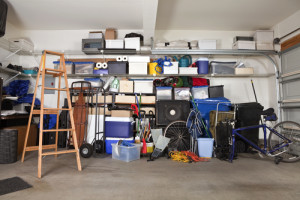 For most of us, the garage is simply a place to park the car, store suitcases and holiday decorations, or stow those miscellaneous tools we need now and again. With a little careful planning, however, your garage can become a fantastic workspace, play space or man cave that extends the useful area of your home. Try one of these ideas in your garage and reap the benefits of more usable square-footage.
 You know you do not want to take all of your old stuff to your new place. Chances are, you are planning to host a sale. Garage sale, yard sale, estate sale, rummage sale … no matter what you call it, here are some things to remember to make your sale a success.


 Catch Our Feed
 Subscribe via Email
 Follow Our Tweets
 Friend Us On Facebook
 Watch Us On Youtube