Vacation Homes Are In Demand
 The pandemic has turned our working world upside down. More Americans than ever before are working remotely. And chances are, a good percentage of them will become permanent work-from-home positions. When you work from home, you can basically work from anywhere. As a result, vacations homes are in high demand. If you’re considering selling your vacation home, then this is what you need to know. If you wish to learn more about vacation homes and real estate, check out online sites like Great Point Properties, visit them now.
Mortgage rates continue to hit record lows
One of the big drivers of vacation home sales is the ability to get a record-low interest rate on your home loan. Mortgage interest rates continue to drop, and experts forecast that this will continue for the foreseeable future. Record-low rates make homes more affordable, which is helping to fuel the real estate market.
Home prices are increasing
Another reason that vacation homes are in demand is that home prices are rising. Many buyers use the equity in their homes to help finance the purchase of their vacation home. As home prices increase, so does equity release interest rates. Those who have been considering a vacation home purchase are more likely to take the leap when they can tap into that equity. And as the seller of a vacation home, you’re more likely to get top dollar now than at any time in the recent past.
Vacation homes sell quickly
There is an acute shortage of homes for sale right now. Buyers are flooding the market, but inventory continues to lag behind. Because of this, homes are selling at a faster pace than they normally do – especially this time of year. The National Association of Realtors reported that in September 68 percent of vacation homes sold in less than a month. That’s more than twice as many as in years past. And vacation homes account for 6.3 percent of overall home sales, which is up from 4.5 percent the previous quarter.
Working from home is more fun
Let’s face it – working from home is more fun when you’re doing it in a vacation destination. Why confine yourself to a small apartment in the city when you can enjoy more space elsewhere? And when you work in a vacation destination, you can enjoy its amenities in your after-work hours. It’s easier to socially distance from others when there’s more space. And you’re more likely to be able to enjoy the great outdoors, like hiking or skiing, when you’re done working for the day.
Know your buyers
Selling a vacation home is different than selling a home that will function as a primary residence. It’s important to understand who the potential buyers are and what their needs will be. This will help you focus your marketing plan. According to the NAR, 96 percent of vacation homebuyers are repeat buyers, and nearly half of them paid all cash for their home. In addition, 82 percent of buyers made a down payment of at least 20 percent. Resort areas, small towns, rural areas, and the suburbs are the most popular spots for vacation homebuyers, and most buyers hail from the United States.
Compliments of Virtual Results
 We know the holidays just aren’t going to be the same this year. But that doesn’t mean you can’t have a good time while staying home. In fact, with a little creativity, 2020 may be your most memorable holiday season yet! If you’re looking for ideas for a fun holiday staycation, then we’ve got you covered. We hope you and your loved ones have a healthy and happy holiday season!
 Are you a house hunter in search of more space? Since many of us are now working from home or going to school online, space is more important than ever. One way to help maximize space is to buy a home with a basement. But there are both advantages and disadvantages to owning a home with a basement.
 Winter is typically the slowest season of the year in real estate – but not in 2020. With all the curveballs this year has thrown us, one of the biggest is the strength of the housing market. Buyers are out in droves looking for homes, and it’s an excellent time to put your home on the market. And while buyers are eager and motivated, it’s only the best homes that sell for big bucks. Here’s how to get top dollar for your home this winter.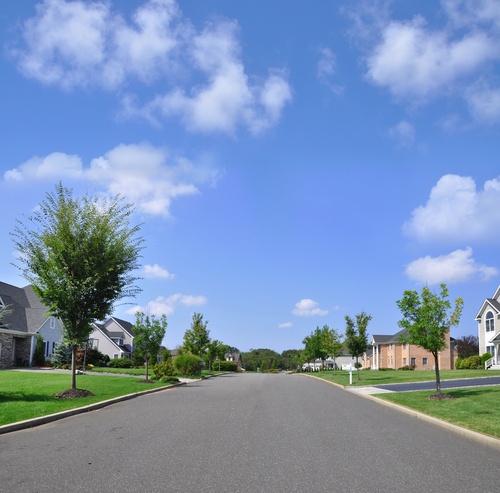

 The architectural style of a home is often highlighted in its online description to help buyers understand its features. But if you don’t know your Tudor from your Craftsmen Bungalow, don’t worry. We can help you sort it out with this condensed “cheat sheet” designed to help you determine what style of house you want or what type you’re currently trying to sell to potential buyers.
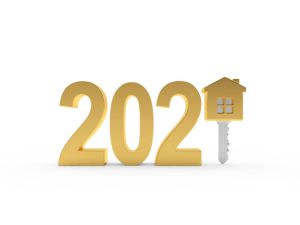 You’ve probably heard that the housing market is doing well despite the pandemic. Are you one of the many Americans thinking about buying a home in 2021? Now is a great time to buy a house. With record-low interest rates, you can score a great deal. But there are steps you should take to make sure you get the home of your dreams with as few problems as possible. This is what you need to know.

 Catch Our Feed
 Subscribe via Email
 Follow Our Tweets
 Friend Us On Facebook
 Watch Us On Youtube